
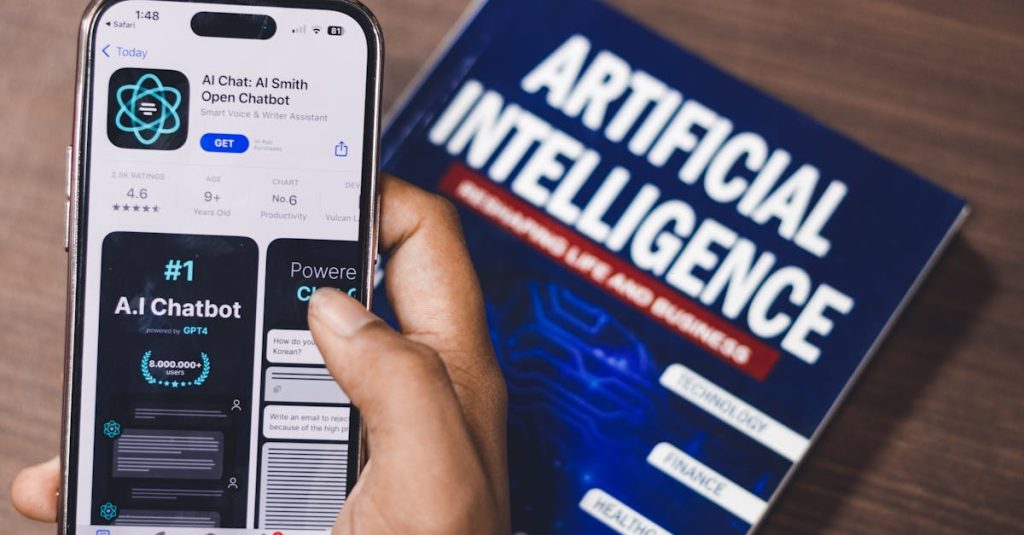
In the last decade, digital marketing has evolved rapidly. From simple banner ads to advanced data-driven campaigns, marketing strategies have become increasingly sophisticated. However, one technology that is dramatically reshaping the industry is Artificial Intelligence (AI). AI is no longer a futuristic concept—it is actively transforming how businesses understand customers, create content, run campaigns, and optimize marketing performance. Effect of AI on Digital Marketing.
Today, companies across industries are using AI-powered tools to automate processes, analyze large volumes of data, and deliver highly personalized experiences. As a result, digital marketing is becoming smarter, faster, and more efficient than ever before.
This article explores how AI is influencing digital marketing, the benefits it offers, and what the future may look like for marketers in an AI-driven world.
AI Enables Data-Driven Marketing Decisions as Effect of AI on Digital Marketing
One of the biggest advantages of AI in digital marketing is its ability to process and analyze massive amounts of data in seconds. Traditional marketing relied heavily on manual analysis and assumptions, but AI systems can quickly identify patterns, trends, and customer behaviors.
Marketers now have access to detailed insights such as:
- Customer purchase behavior
- Website interaction patterns
- Search trends and intent
- Engagement with ads and content
AI-powered analytics tools help marketers make accurate, data-driven decisions. Instead of guessing what customers want, businesses can now rely on predictive models that forecast customer behavior and campaign performance. Effect of AI on Digital Marketing.
For example, AI tools can predict which audience segment is more likely to convert, allowing marketers to allocate their advertising budgets more effectively.

2. Personalization at Scale
Modern consumers expect personalized experiences. Generic marketing messages are no longer effective because customers prefer brands that understand their interests and needs.
AI enables hyper-personalization, which allows marketers to tailor content, product recommendations, and advertisements for individual users.
Examples of AI-driven personalization include:
- Personalized email campaigns
- Product recommendations based on browsing history
- Dynamic website content for different visitors
- Customized advertisements for specific audience segments
When users receive relevant content that matches their interests, engagement rates and conversion rates significantly increase.
For instance, e-commerce platforms use AI algorithms to recommend products based on past purchases and browsing behavior. This not only improves the user experience but also increases sales.
3. AI-Powered Chatbots and Customer Support
Customer support is another area where AI has made a major impact. Businesses now use AI chatbots to interact with customers on websites, messaging platforms, and social media.
These chatbots can:
- Answer frequently asked questions
- Provide product recommendations
- Help customers track orders
- Collect leads for businesses
Unlike human support teams, AI chatbots are available 24/7, ensuring customers receive immediate assistance at any time.
This improves customer satisfaction while also reducing operational costs for businesses. Additionally, chatbots collect valuable data about customer queries and preferences, which marketers can use to improve products and services.
4. AI Improves Content Creation and Optimization
Content marketing is one of the most important components of digital marketing. However, creating high-quality content consistently can be time-consuming.
AI-powered tools are helping marketers generate, optimize, and distribute content more efficiently.
AI can assist in:
- Generating blog topics
- Writing content drafts
- Creating ad copy
- Suggesting SEO keywords
- Optimizing headlines for better engagement
These tools analyze search trends, user behavior, and competitor strategies to suggest content that is more likely to perform well.
AI also helps marketers optimize content for search engines by analyzing keyword density, readability, and overall SEO performance.
While AI does not replace human creativity, it significantly enhances the content creation process by providing intelligent suggestions and automation.
5. Smarter Advertising and Campaign Optimization
Digital advertising platforms rely heavily on AI to optimize marketing campaigns. AI algorithms analyze campaign performance in real time and automatically adjust parameters to improve results.
AI can optimize:
- Ad targeting
- Bidding strategies
- Budget allocation
- Audience segmentation
- Ad creatives
For example, AI can determine which advertisement performs best among different audience segments and allocate more budget to the highest-performing ads.
This ensures that marketing campaigns deliver better results while reducing wasted advertising spend.
AI also helps marketers run programmatic advertising, where ad placements are automatically purchased and optimized using machine learning algorithms.
6. Predictive Marketing and Customer Insights
Predictive analytics is one of the most powerful applications of AI in marketing. By analyzing historical data, AI systems can predict future customer behavior.
Predictive marketing helps businesses answer important questions such as:
- Which customers are likely to purchase?
- Which customers might stop buying from the brand?
- Which products will become popular?
- What type of content will attract the most engagement?
With these insights, marketers can design targeted campaigns that address customer needs before they even arise.
For example, businesses can identify customers who are likely to churn and send them personalized offers to retain them.
7. Enhanced Customer Journey Mapping
Understanding the customer journey is essential for successful marketing. AI helps businesses track and analyze every interaction a customer has with a brand.
These interactions may include:
- Social media engagement
- Website visits
- Email clicks
- Product searches
- Purchase history
AI integrates this data and provides a complete view of the customer journey. This allows marketers to identify where customers drop off in the sales funnel and improve those touchpoints.
By optimizing each stage of the journey, businesses can increase conversions and build stronger relationships with their customers.
8. Challenges of AI in Digital Marketing
Although AI offers many benefits, it also comes with certain challenges.
Some common concerns include:
Data Privacy Issues:
AI relies heavily on customer data. Businesses must ensure they follow data protection regulations and handle personal information responsibly.
Dependence on Technology:
Over-reliance on AI tools may reduce human creativity and strategic thinking.
Implementation Costs:
Advanced AI tools can be expensive for small businesses.
Despite these challenges, the advantages of AI often outweigh the limitations when used strategically.
9. The Future of AI in Digital Marketing
The influence of AI on digital marketing will continue to grow in the coming years. As technology becomes more advanced, AI will play a larger role in areas such as:
- Voice search optimization
- Visual search marketing
- Automated content generation
- Advanced customer behavior prediction
- Real-time marketing personalization
Businesses that adopt AI early will gain a competitive advantage by delivering smarter marketing campaigns and better customer experiences.
The role of marketers will also evolve. Instead of performing repetitive tasks, marketers will focus more on strategy, creativity, and brand storytelling, while AI handles data analysis and automation.